
- Pod
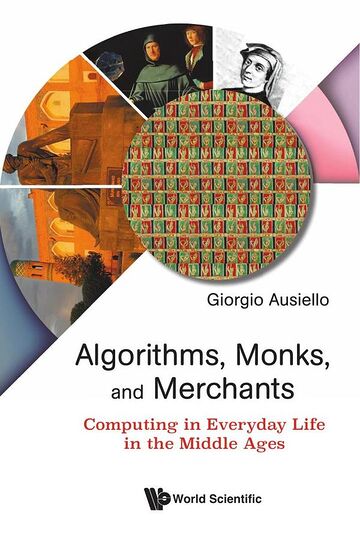
Algorithms, Monks, and Merchants
This book explores the tight relationship that existed between application needs and computational problem-solving methods during the Middle Ages, particularly the period between the 9th and 15th centuries. It was a time of great cultural and economic evolution, starting with the blooming phase of Arab science and continuing with the acquisition of Hindu-Arabic computation methods (based on the decimal positional number system) in Western Europe.The aim is to show, by means of suitable examples, how in the Middle Ages mathematics and computation were tightly related to the solution of everyday life problems. These ranges from religious problems like computing the date of Easter to land measurement and financial computations, as well as handling various volumes and managing agricultural resources.In particular, during the late medieval centuries when the economy saw a substantial upswing, merchants' activity required strong computational skills to solve a great variety of problems. It is such need that led to the creation of the so called 'abacus schools' that the sons of merchants, primarily Italians but also from other European regions, attended during their boyhood to learn computing techniques.
-
Isbn9789819812837
-
Peso0.30 kg.
-
Tamaño15 x 23 cm.
-
Número de páginas200
-
IdiomaInglés
-
ReferenciaPOD43156