search
Subtotal USD $ 0,00
Total USD $ 0,00
  • Nuevo
  • Libro
    Digital
A General Introduction to...

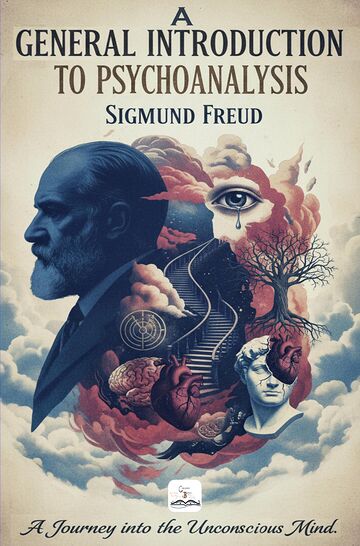
A General Introduction to Psychoanalysis

USD $ 8,27

Psychoanalysis is a set of psychological and psychotherapeutic theories and associated techniques, originally popularised by Austrian physician Sigmund Freud and stemming partly from the clinical work of Josef Breuer and others. Since then, psychoanalysis has expanded and been revised, reformed and developed in different directions. This was initially by Freud's colleagues and students, such as Alfred Adler and Carl Gustav Jung who went on to develop their own ideas independently from Freud. Later neo-Freudians included Erich Fromm, Karen Horney, Harry Stack Sullivan and Jacques Lacan. The basic tenets of psychoanalysis include the following: besides the inherited constitution of personality, a person's development is determined by events in early childhood; human attitude, mannerism, experience, and thought is largely influenced by irrational drives; irrational drives are unconscious; attempts to bring these drives into awareness meet psychological resistance in the form of defense mechanisms; conflicts between conscious and unconscious, or repressed, material can materialise in the form of mental or emotional disturbances, for example: neurosis, neurotic traits, anxiety.

Psychoanalysis is a set of psychological and psychotherapeutic theories and associated techniques, originally popularised by Austrian physician Sigmund Freud and stemming partly from the clinical work of Josef Breuer and others. Since then, psychoanalysis has expanded and been revised, reformed and developed in different directions. This was initially by Freud's colleagues and students, such as Alfred Adler and Carl Gustav Jung who went on to develop their own ideas independently from Freud. Later neo-Freudians included Erich Fromm, Karen Horney, Harry Stack Sullivan and Jacques Lacan. The basic tenets of psychoanalysis include the following: besides the inherited constitution of personality, a person's development is determined by events in early childhood; human attitude, mannerism, experience, and thought is largely influenced by irrational drives; irrational drives are unconscious; attempts to bring these drives into awareness meet psychological resistance in the form of defense mechanisms; conflicts between conscious and unconscious, or repressed, material can materialise in the form of mental or emotional disturbances, for example: neurosis, neurotic traits, anxiety.
  • Isbn
    9786253873875
  • Peso
    2 MB
  • Número de páginas
    615
  • Idioma
    Inglés
  • Formato
    EPUB
  • Protección
    DRM
  • Referencia
    BKW179067
Sigmund Freud

Sigmund Freud

Autor

Nació en Freiberg (República Checa) el 6 de mayo de 1856 en una familia judía. En 1860 se trasladan a Viena, donde Freud cursa la carrera de Medicina (1873-1881). En 1885-1886 visita la clínica neurológica de la Salpêtrière de París y asiste al tratamiento de mujeres histéricas mediante hipnosis y sugestión. Profesor de Neuropatología en la Universidad de Viena (1885-1902), publica con Josef Breuer Estudios sobre la histeria (1895), donde establece el método de la libre asociación. En La interpretación de los sueños (1900) formula los conceptos centrales del primer psicoanálisis. A partir de 1902, siendo Freud catedrático de Neuropatología, empiezan a tener lugar en su domicilio las «veladas de los miércoles», en las que se discuten los hallazgos del psicoanálisis. En 1908 se celebra en Salzburgo el Primer Congreso Internacional de Psicoanálisis, y en 1910 se fundan la Zentralblatt für Psychoanalyse y la Asociación Psicoanalítica Internacional, cuyo primer presidente fue C. G. Jung. Entre 1923 y 1930, Freud introducirá importantes modificaciones en la teoría psicoanalítica. En 1938 deb abandonar Viena y exiliarse en Londres, donde muere el año siguiente.