search
Subtotal USD $ 0,00
Total USD $ 0,00
  • Nuevo
  • Libro
    Digital
Collected Papers on...

Collected Papers on Analytical Psychology

USD $ 8,25

This book contains a selection of articles and pamphlets on analytical psychology written at intervals during the past fourteen years. These years have seen the development of a new discipline, and as is usual in such a case, have involved many changes of view-point, of concept, and of formulation. It is not my intention to give a presentation of the fundamental concepts of analytical psychology in this book; it throws some light, however, on a certain line of development which is especially characteristic of the Zürich School of psychoanalysis. As is well known, the merit of the discovery of the new analytical method of general psychology belongs to Professor Freud of Vienna. His original view-points had to undergo many essential modifications, some of them owing to the work done at Zürich, in spite of the fact that he himself is far from agreeing with the standpoint of this school. I am unable to explain fully the fundamental differences between the two schools, but would indicate the following points: The Vienna School takes the standpoint of an exclusive sexualistic conception, while that of the Zürich School is symbolistic.

This book contains a selection of articles and pamphlets on analytical psychology written at intervals during the past fourteen years. These years have seen the development of a new discipline, and as is usual in such a case, have involved many changes of view-point, of concept, and of formulation. It is not my intention to give a presentation of the fundamental concepts of analytical psychology in this book; it throws some light, however, on a certain line of development which is especially characteristic of the Zürich School of psychoanalysis. As is well known, the merit of the discovery of the new analytical method of general psychology belongs to Professor Freud of Vienna. His original view-points had to undergo many essential modifications, some of them owing to the work done at Zürich, in spite of the fact that he himself is far from agreeing with the standpoint of this school. I am unable to explain fully the fundamental differences between the two schools, but would indicate the following points: The Vienna School takes the standpoint of an exclusive sexualistic conception, while that of the Zürich School is symbolistic.
  • Isbn
    9786253874698
  • Peso
    3.9 MB
  • Número de páginas
    673
  • Idioma
    Inglés
  • Formato
    EPUB
  • Protección
    DRM
  • Referencia
    BKW180228
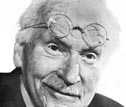
Carl Gustav Jung

Carl Gustav Jung

Autor

Nacío el 26 de julio de 1875 en Kesswil (Suiza) y fallece en 1961. Psiquiatra y psicólogo suizo, fue el fundador de la escuela de Psicología analítica. Después de sus estudios de medicina en Basilea, se dedicó a la práctica de la psiquiatría e introdujo en ella, junto con Eugen Bleuler, el psicoanálisis freudiano. Tras su ruptura con Freud a finales de 1912 comienza la elaboración de su propia orientación analítica, conocida también como «psicología de los complejos». Una peculiaridad de los trabajos de Jung es que se refieren desde muy temprano a cuestiones de la concepción general del mundo y se hacen cargo de la confrontación de la psicología con la religión. Así ponen de manifiesto que las representaciones originarias que subyacen y son comunes a las diversas religiones constituyen contenidos arquetípicos del alma humana. Además, durante los últimos treinta años de su vida, el estudio de la alquimia le proporcionará a Jung una orientación hermenéutica fundamental. Catedrático de Psicología médica en la Universidad de Basilea a partir de 1944, ejerció su práctica clínica en Küsnacht, junto al lago de Zúrich, hasta su muerte.