
- Nuevo
- Libro
Digital

Decisive Moments in History 14 Historical Miniatures
Decisive Moments in History is a collection of historical narratives by Stefan Zweig that portrays brief yet transformative moments that changed the course of world history. Through fourteen vivid episodes, Zweig explores how a single decision, discovery, or failure can alter the fate of nations and individuals. Each chapter recreates a dramatic historical turning point with literary intensity. Among the events described are the fall of Constantinople, Balboa's discovery of the Pacific Ocean, the defeat of Napoleon at Waterloo, and the discovery of gold in California. Zweig focuses on the human dimension behind these events, highlighting the courage, hesitation, ambition, and chance that shape historical outcomes. Rather than presenting history as a sequence of dates and facts, Zweig emphasizes the fragile nature of destiny. A delayed message, a moment of doubt, or an unexpected decision can transform the future of entire societies. Written with narrative elegance and psychological insight, the book blends historical research with storytelling. Decisive Moments in History invites readers to reflect on how history often turns on brief, decisive instants that determine the direction of civilizations.
-
Isbn7502319079980
-
Peso1.1 MB
-
Número de páginas100
-
IdiomaInglés
-
FormatoEPUB
-
ProtecciónDRM
-
ReferenciaBKW180534
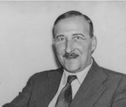
Stefan Zweig
Nació en Viena, Austria, el 28 de noviembre de 1881. Criado en una familia judía acomodada, se interesó por la literatura y la escritura ya desde sus primeros años de adolescencia. Estudió en la Universidad de Viena, donde obtuvo un doctorado en filosofía e incursionó en estudios literarios. Hacia 1901 publicó su primer poemario, y tan solo unos años después, publicó su primera novela. A lo largo de su trayectoria literaria escribió novelas, poesías y ensayos, e incluso teatro. A su vez, realizó traducciones y biografías. Durante la Primera Guerra Mundial, en base a su patriotismo, sirvió al Ejército austrohúngaro con tareas administrativas, ya que no era apto para participar en combate. Escribió varios artículos apoyando el conflicto. Sin embargo, luego de esta experiencia y después de ser testigo de las implicancias de la guerra, cambió radicalmente su posición. En base a ello, escribió Jeremías, en la cual establecía sus firmes convicciones antibelicistas, por las que tuvo que exiliarse a Suiza. Durante su exilio pudo publicar su obra y trabajó como corresponsal, escribiendo sobre la realidad bélica desde una perspectiva a-partidista y pacifista. Gracias a las posibilidades adquisitivas de su familia, Zweig pudo viajar mucho. Ya antes de la Guerra había conocido la India, Estados Unidos y muchas ciudades de Europa. Luego, pudo conocer Alemania y la Unión Soviética y, más adelante, viajaría también por América del Sur. Estos viajes marcaron la identidad de las obras que escribiría en protesta a la situación mundial de su época y también fue su oportunidad de conocer poetas y artistas. Luego de finalizada la guerra, volvió a Austria y se instaló en Salzburgo, donde se casó con Friderike Maria Burger (de quien se divorciaría en 1938), una traductora y periodista. El período de entreguerras fue el más productivo de su carrera: durante este tiempo escribió Una partida de ajedrez, Momentos estelares de la humanidad, La piedad peligrosa, entre otros. En la mayor parte de su producción se opuso al nacionalismo y propuso temáticas y personajes íntimamente relacionados a los conflictos y al peligro. Desde 1933, con la llegada de Hitler al poder, sus obras fueron prohibidas. En 1934 tuvo que exiliarse nuevamente —esta vez a Gran Bretaña—, debido a la ocupación nazi en Austria. Una vez comenzada la Segunda Guerra Mundial, su origen judío lo obligó a alejarse de su hogar, si bien nunca fue particularmente religioso ni simpatizante del movimiento sionista. Se trasladó entonces a Francia y luego a América del Norte, donde comenzó sus viajes por el continente. En 1941 se instaló en Brasil con su esposa Lotte Altmann, donde el 22 de febrero de 1942 se suicidaron ambos en vista a la inmensa avanzada del nazismo. Antes de suicidarse escribió cartas a todos sus amigos y conocidos, pidiendo disculpas y explicando las causas de su muerte. En 1944 se conoció su autobiografía: El mundo de ayer. Stefan Zweig es considerado uno de los escritores más importantes del período de entreguerras.