
- Nuevo
- Libro
Digital
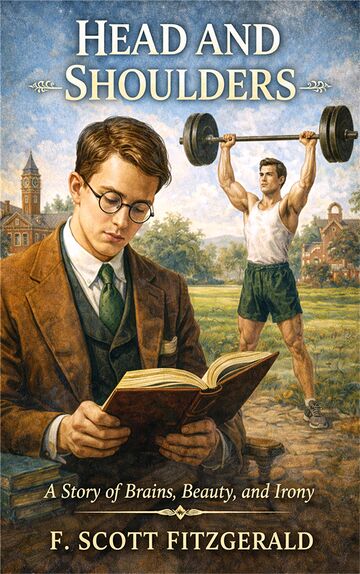
Head and Shoulders
In 1915 Horace Tarbox was thirteen years old. In that year he took the examinations for entrance to Prince-ton University and received the Grade A—excellent—in Cæsar, Cicero, Vergil, Xenophon, Homer, Algebra, Plane Geometry, Solid Geometry, and Chemistry. Two years later while George M. Cohan was composing "Over There," Horace was leading the sophomore class by several lengths and digging out theses on "The Syllogism as an Obsolete Scholastic Form," and during the battle of Château-Thierry he was sitting at his desk deciding whether or not to wait until his seventeenth birthday before beginning his series of essays on "The Pragmatic Bias of the New Realists." After a while some newsboy told him that the war was over, and he was glad, because it meant that Peat Brothers, publishers, would get out their new edition of "Spinoza's Improvement of the Understanding." Wars were all very well in their way, made young men self-reliant or something but Horace felt that he could never forgive the President for allowing a brass band to play under his window the night of the false armistice, causing him to leave three important sentences out of his thesis on "German Idealism."
-
Isbn9786253875497
-
Peso3.4 MB
-
Número de páginas31
-
IdiomaInglés
-
FormatoEPUB
-
ProtecciónDRM
-
ReferenciaBKW181747

Francis Scott Fitzgerald
Se le considera uno de los más importantes escritores estadounidenses del siglo XX. Fue portavoz de la «Generación Perdida», aquellos estadounidenses nacidos en la última década del siglo XIX que les tocó madurar durante la I Guerra Mundial. Escribió cinco novelas y docenas de historias breves que abordan temas como «la juventud» o «la desesperación» con una extraordinaria honestidad al plasmar sus emociones. Sus héroes, atractivos, confiados y condenados, resplandecen brillantemente antes de explotar («Muéstrame un héroe», dijo Fitzgerald en una ocasión, «y te escribiré una tragedia»), y sus heroínas son bellas y de personalidad compleja.