
search
Subtotal USD $ 0,00
Total USD $ 0,00
  • Nuevo
  • Impreso
Migration and Decent Work:...

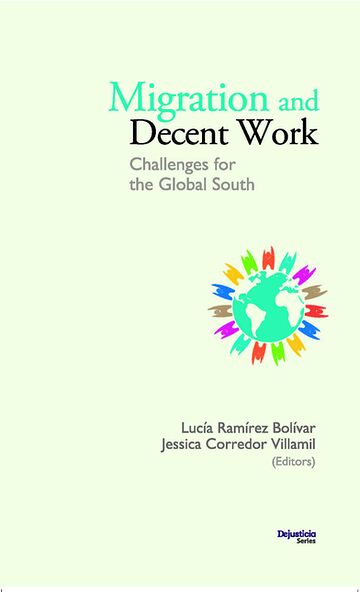
Migration and Decent Work: Challenges for the Global South

  • Año de edición 2022
USD $ 11,12

Labor insertion is one of the most effective forms of intregration because it allows migrants and refugees to enjoy more dignified living conditions, to contribute to the development of host communities, and to build relationships with the local population. But ensuring the right to work is a challenge for countries in the Global South that have weak or developing economies and problems with job creation, which can force many people —not just migrants— to engage in precarious work and put themselves at risk of labor exploitation. Under these circumstances, advocating for migrants’ and refugees’ right to work is more urgent than ever. The recognition of decent work as a human right means that states may not pursue economic growht at the expense of the exploitation of migrants and refugees. but instead must seek to ensure opportunities and prosperity for all. In this regard, it is critical to foster discussions, such as the ones featured in this book, that facilitate the sharing of experiences and lessons learned on the labor conditions of migrants and refugees. The authors of the nine chapters in Migration and Decent Work are activists, academics, and members of civil society who have worked on the issue of migration from different angles and who address the challenge of migrants labor inclusion from an interdisciplinary and rights-based perspective. Their contributions offer an overview of migrants’ and refugees’ right to work in a range of countries in the Global South based on an analysis of local contexts, public policies, and the everyday realitites face by these workers. In addition to offering local and global recommendations for ensuring the right to decent work for migrants and refugees, this book seeks to strenghten the Human Rights movement through collaboration and the sharing of experiences. The diversity of voices featured here offers a look at migration based on and geared toward the Global South.

Labor insertion is one of the most effective forms of intregration because it allows migrants and refugees to enjoy more dignified living conditions, to contribute to the development of host communities, and to build relationships with the local population. But ensuring the right to work is a challenge for countries in the Global South that have weak or developing economies and problems with job creation, which can force many people —not just migrants— to engage in precarious work and put themselves at risk of labor exploitation. Under these circumstances, advocating for migrants’ and refugees’ right to work is more urgent than ever. The recognition of decent work as a human right means that states may not pursue economic growht at the expense of the exploitation of migrants and refugees. but instead must seek to ensure opportunities and prosperity for all. In this regard, it is critical to foster discussions, such as the ones featured in this book, that facilitate the sharing of experiences and lessons learned on the labor conditions of migrants and refugees. The authors of the nine chapters in Migration and Decent Work are activists, academics, and members of civil society who have worked on the issue of migration from different angles and who address the challenge of migrants labor inclusion from an interdisciplinary and rights-based perspective. Their contributions offer an overview of migrants’ and refugees’ right to work in a range of countries in the Global South based on an analysis of local contexts, public policies, and the everyday realitites face by these workers. In addition to offering local and global recommendations for ensuring the right to decent work for migrants and refugees, this book seeks to strenghten the Human Rights movement through collaboration and the sharing of experiences. The diversity of voices featured here offers a look at migration based on and geared toward the Global South.
  • Isbn
    978-628-7517-19-6
  • Peso
    0.24 kg.
  • Tamaño
    15 x 24 cm.
  • Número de páginas
    204
  • Año de edición
    2022
  • Edición
    1
  • Encuadernación
    Rústica
  • Referencia
    DJS10161
  • Colección
  • Código de barras
    9786287517196

Lucía Ramírez Bolívar

Autor

Es abogada especialista en Derecho Constitucional de la Universidad Nacional de Colombia (2008) y Magister en Trabajo Social con énfasis en Trabajo Social Internacional y Pobreza e Inequidad de la Universidad de Chicago (EEUU) (2015).

Lucía ha trabajado en investigación, docencia, litigio e incidencia en derechos humanos —especialmente en los temas de migración forzada y derechos de las mujeres— con agencias de cooperación internacional y organizaciones no gubernamentales en Colombia y Estados Unidos. Fue investigadora de la línea de Política de Drogas en Dejusticia y actualmente trabaja en el área internacional como Coordinadora de Investigaciones en los temas de Migración y Venezuela.

Jessica Corredor Villamil

Autor

Es doctora en sociología y antropología de la Universidad Paris VII – Denis Diderot en Francia (tesis con mención honorífica). Cuenta con una maestría en migración y relaciones interétnicas de la misma universidad. Fue becaria del Instituto de Investigación para el Desarollo (IRD) en Francia.

Ha trabajado en el ámbito académico en Francia y en Colombia, donde ha desarrollado investigaciones sobre la construcción del Estado, los movimientos sociales y la participación colectiva de campesinos y grupos étnicos. También ha trabajado con ONG internacionales y como consultora de derechos humanos.

Actualmente trabaja  como Directora del Área Internacional de Dejusticia.