
- Nuevo
- Libro
Digital

The Jungle Book
Complete and unabridged, with 7 full-page plates by William Henry Davis, Théodore Rousseau and Richard Barrett Davis. A man-cub raised by wolves is taught the Law of the Jungle by a bear and a panther, and hunted by the tiger who wanted him as a kill. Kipling wrote it in Vermont, homesick for an India he had left at twenty-three, and the stories were first published as separate magazine pieces with verses between them. Mowgli belongs to neither side, and the last of the Mowgli stories is the price of that: the village will not keep him and the pack will not have him back. Seven plates of forest and river painting by Arnold Böcklin and J. M. W. Turner carry the light and silence of the Seeonee Hills through the text.
-
Isbn9785501573055
-
Peso19.1 MB
-
Número de páginas150
-
IdiomaInglés
-
FormatoEPUB
-
ProtecciónDRM
-
ReferenciaBKW212115
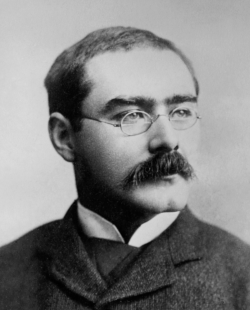
Rudyard Kipling
(Bombay, 1936) Hijo de padres ingleses, vivió en la India hasta los seis años. Su condición anglo-india, dominando tanto el hindi como el inglés, marcó su obra, centrada en las identidades mixtas y el choque de culturas. Fue considerado en su época el sucesor de Charles Dickens y admirado por T. S. Eliot y Henry James. De carácter solitario y reservado, rechazó en varias ocasiones importantes distinciones británicas. En 1907 se convirtió en el primer británico en recibir el Premio Nobel de Literatura y el más joven hasta hoy.