
- Nuevo
- Libro
Digital

Civil Disobedience
"I think that we should be men first, and subjects afterward." Henry David Thoreau's 1849 essay is the founding text of nonviolent resistance: protesting slavery and the Mexican-American War, Thoreau refused to pay his poll tax and went to jail for it. His defence of the individual conscience against the state became a document of world importance, inspiring Mahatma Gandhi, Martin Luther King and civil-rights movements around the globe. This carefully typeset digital edition presents the unabridged English original, following the 1946 Liberty Library text.
-
Isbn9783985440740
-
Peso424.8 KB
-
Número de páginas36
-
IdiomaInglés
-
FormatoEPUB
-
ProtecciónDRM
-
ReferenciaBKW213043
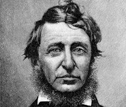
Henry David Thoreau
(Concord, 1817) Henry David Thoreau fue agrimensor, naturalista, jardinero y conferencista, y también trabajó en la fábrica de lápices de su padre. Nació en Concord, Massachusetts, en 1817 y estudió en Harvard. Ejerció como profesor y realizó, junto a su hermano, un viaje por los ríos Concord y Merrimack que dio origen a A Week on the Concord and Merrimack Rivers (1849). Cercano a Ralph Waldo Emerson, se vinculó al trascendentalismo y vivió un tiempo en una cabaña en Walden Pond, experiencia que marcaría su obra. En 1849 publicó Desobediencia civil, donde sentó las bases de la resistencia pasiva. Murió en 1862 en su ciudad natal.