search
¿No encontraste lo que buscas? Prueba aquí
Subtotal USD $ 0,00
Total USD $ 0,00
  • Nuevo
  • Libro
    Digital
Heirs of the Past

Heirs of the Past

Universidad de los Andes
USD $ 25,99

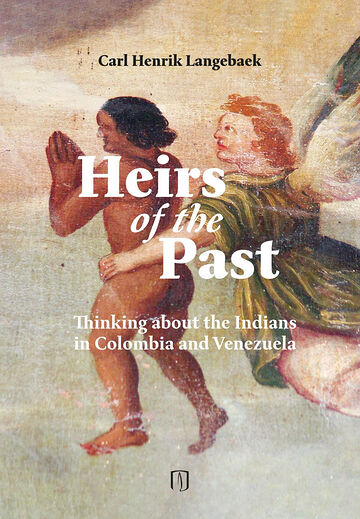
"The opulent illustrations in Heirs of the Past gleam with the beauties of pre-Hispanic art. The engravings evoke the early revelations of Colombian archaeology and ethnography, yet, unlike other flashy compendiums, the magnum opus of anthropologist Carl Henrik Langebaek reaches startling conclusions: 'The good Indian is […] an image just as efficient, or more so, for colonial purposes than that of the savage, cannibalistic Indian.' This work, sparkling and singular, is not another portrait of Indigenous America, but rather a self-portrait of intellectual America seen through its successive concepts of diversity. This novel interpretation of Creolism reveals the fecundity of tropical thought while highlighting weaknesses hidden within its foundation." —Frank Salomon, John V. Murra Professor Emeritus of Anthropology, University of Wisconsin-Madison Heirs of the Past provides a historical trace of how the Creole elites of Colombia and Venezuela appropriated the Indigenous figure and their history. The journey along its pages begins with the depictions of Indigenous peoples during the Spanish Conquest and follows the birth of a powerful idea: that the pre-Hispanic past belonged to the descendants of the conquerors. This evolution culminates in the moment Creoles began referring to "our Indians." Langebaek proposes a provocative thesis: the idealized image of the Indigenous person does not actually reflect the native population, but rather the Creole who uses the native as a mirror to represent themselves—particularly when facing the gaze of the foreigner. The book also reflects on the relationship between European and North American thought regarding the inhabitants of the tropics. While the responses from Creole intellectuals are presented as rich and complex, the author challenges their claims of being "original" or "liberating." Instead, he argues that claiming the Indigenous as "ours" serves a colonial purpose. In other words, a positive view of the Indigenous person is not an act of generosity or recognition; it is a fundamental tool in an ideology of domination.

"The opulent illustrations in Heirs of the Past gleam with the beauties of pre-Hispanic art. The engravings evoke the early revelations of Colombian archaeology and ethnography, yet, unlike other flashy compendiums, the magnum opus of anthropologist Carl Henrik Langebaek reaches startling conclusions: 'The good Indian is […] an image just as efficient, or more so, for colonial purposes than that of the savage, cannibalistic Indian.' This work, sparkling and singular, is not another portrait of Indigenous America, but rather a self-portrait of intellectual America seen through its successive concepts of diversity. This novel interpretation of Creolism reveals the fecundity of tropical thought while highlighting weaknesses hidden within its foundation." —Frank Salomon, John V. Murra Professor Emeritus of Anthropology, University of Wisconsin-Madison Heirs of the Past provides a historical trace of how the Creole elites of Colombia and Venezuela appropriated the Indigenous figure and their history. The journey along its pages begins with the depictions of Indigenous peoples during the Spanish Conquest and follows the birth of a powerful idea: that the pre-Hispanic past belonged to the descendants of the conquerors. This evolution culminates in the moment Creoles began referring to "our Indians." Langebaek proposes a provocative thesis: the idealized image of the Indigenous person does not actually reflect the native population, but rather the Creole who uses the native as a mirror to represent themselves—particularly when facing the gaze of the foreigner. The book also reflects on the relationship between European and North American thought regarding the inhabitants of the tropics. While the responses from Creole intellectuals are presented as rich and complex, the author challenges their claims of being "original" or "liberating." Instead, he argues that claiming the Indigenous as "ours" serves a colonial purpose. In other words, a positive view of the Indigenous person is not an act of generosity or recognition; it is a fundamental tool in an ideology of domination.
  • Isbn
    9786287903258
  • Peso
    64.6 MB
  • Número de páginas
    825
  • Idioma
    Inglés
  • Formato
    PDF
  • Protección
    DRM
  • Referencia
    BKW214674