
search
Subtotal USD $ 0,00
Total USD $ 0,00
  • Libro
    Digital
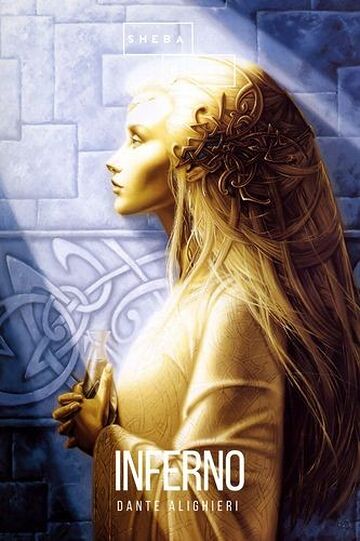
Inferno
USD $ 3,99

Inferno is the first part of Dante Alighieri's 14th-century epic poem Divine Comedy. It is followed by Purgatory and Paradise. The Inferno tells the journey of Dante through Hell, guided by the ancient Roman poet Virgil. In the poem, Hell is depicted as nine concentric circles of suffering located within the Earth; it is the "realm ... of those who have rejected spiritual values by yielding to bestial appetites or violence, or by perverting their human intellect to fraud or malice against their fellowmen." As an allegory, the Divine Comedy represents the journey of the soul toward God, with the Inferno describing the recognition and rejection of sin.

Inferno is the first part of Dante Alighieri's 14th-century epic poem Divine Comedy. It is followed by Purgatory and Paradise. The Inferno tells the journey of Dante through Hell, guided by the ancient Roman poet Virgil. In the poem, Hell is depicted as nine concentric circles of suffering located within the Earth; it is the "realm ... of those who have rejected spiritual values by yielding to bestial appetites or violence, or by perverting their human intellect to fraud or malice against their fellowmen." As an allegory, the Divine Comedy represents the journey of the soul toward God, with the Inferno describing the recognition and rejection of sin.
  • Formato
    Ebook
  • Estado
    Nuevo
  • Isbn
    9783961893508
  • Peso
    308.9 KB
  • Número de páginas
    134
  • Idioma
    Inglés
  • Formato
    EPUB
  • Protección
    DRM
  • Referencia
    BKW9063

Dante Alighieri

Autor

Dante Alighieri, bautizado Durante di Alighiero degli Alighieri (Florencia, c. 29 de mayo de 1265 - Rávena, 14 de septiembre de 1321), fue un poeta italiano, conocido por escribir la Divina comedia, una de las obras fundamentales de la transición del pensamiento medieval al renacentista y una de las cumbres de la literatura universal. La fecha exacta del nacimiento de Dante es desconocida, aunque generalmente se cree que está alrededor de 1265. Esto puede deducirse de las alusiones autobiográficas reflejadas en la Vita nuova. Durante su vida, Dante participó activamente en las luchas políticas de su tiempo, por lo que fue desterrado de su ciudad natal, y fue un activo defensor de la unidad italiana. Escribió varios tratados en latín sobre literatura, política y filosofía. A su pluma se debe el tratado en latín De Monarchia, de 1310, que constituye una exposición detallada de sus ideas políticas, entre las cuales se encuentran la necesidad de la existencia de un Sacro Imperio Romano y la separación de la Iglesia y el Estado.5 En 1289 participó en la batalla de Campaldino durante la guerra entre Florencia y Arezzo, y contribuyó así a la victoria de los florentinos. Apodado «el Poeta Supremo» (en italiano «il Sommo Poeta»), también se le considera el «padre del idioma italiano» (llamado volgare en aquella época). Su primera biografía fue escrita por Giovanni Boccaccio (1313-1375), en el Trattatello in laude di Dante.