- Nuevo
- Libro
Digital
Thus Spake Zarathustra
USD $ 9,99
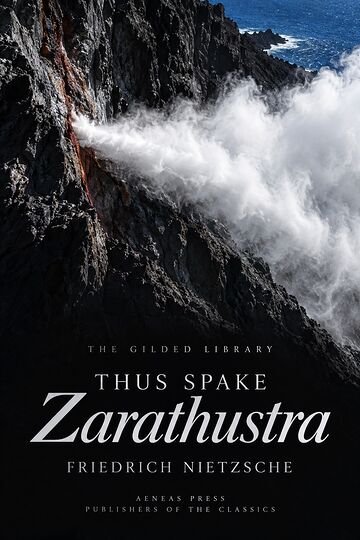
Complete and unabridged, with 94 full-page plates by Ferdinand Hodler, Joos de Momper the Younger and Jan Nowopacký. A hermit comes down from ten years in the mountains to teach the death of God, the eternal return and the man who is to be overcome, and finds his listeners want a rope-dancer instead. Nietzsche wrote the four parts in bursts of ten days each between 1883 and 1885 and had the fourth printed privately in forty copies. He wrote it in the cadence of Luther's Bible in order to argue against it. Ninety-four mountain paintings by Carus, Segantini and others from 1582 to 1923 run beside the text, matching the heights the prophet descends and the solitude he speaks from.
Complete and unabridged, with 94 full-page plates by Ferdinand Hodler, Joos de Momper the Younger and Jan Nowopacký. A hermit comes down from ten years in the mountains to teach the death of God, the eternal return and the man who is to be overcome, and finds his listeners want a rope-dancer instead. Nietzsche wrote the four parts in bursts of ten days each between 1883 and 1885 and had the fourth printed privately in forty copies. He wrote it in the cadence of Luther's Bible in order to argue against it. Ninety-four mountain paintings by Carus, Segantini and others from 1582 to 1923 run beside the text, matching the heights the prophet descends and the solitude he speaks from.
-
Isbn9785486649738
-
Peso14.9 MB
-
Número de páginas340
-
IdiomaInglés
-
FormatoEPUB
-
ProtecciónDRM
-
ReferenciaBKW209307